

Sustainable
Top 11 Best Crops what Can Be Grown Hydroponically
Last Updated: November 06
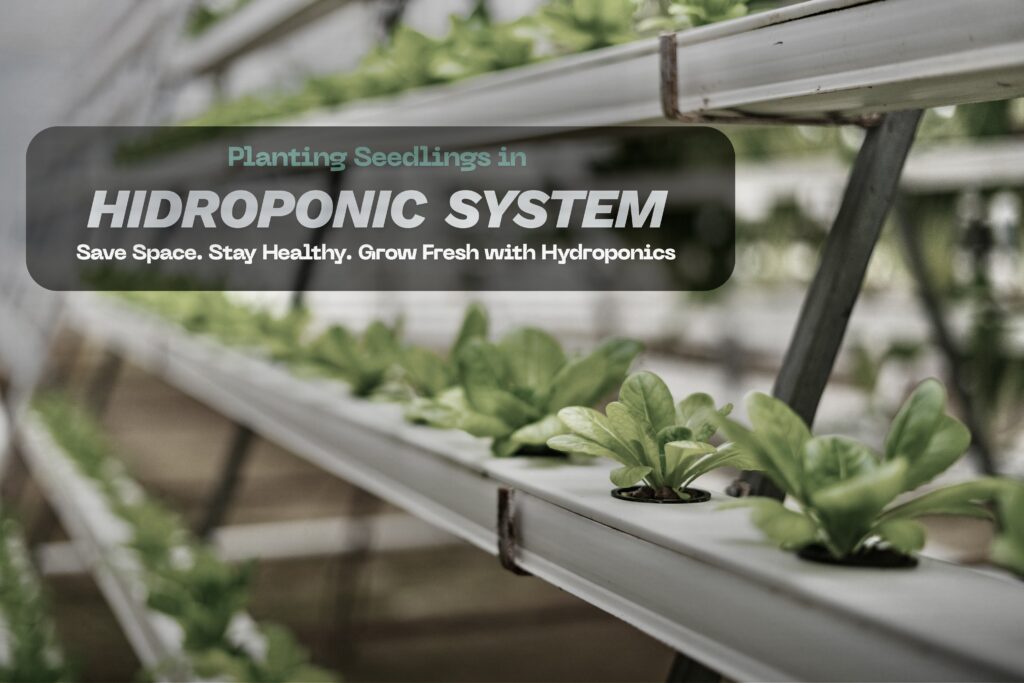
Hydroponics is the growing of plants in fertile water without soil, which is no longer just a hobby. Many people also wonder what can be grown hydroponically at home. It is an effective method for producing fresh vegetables, herbs and even fruits in the small space of the house or flat. But the question is, what types of crops can be grown hydroponically? This blog lists some of the crops that will grow best if planted this way, and which ones need extra care, which ones should be avoided. In addition, instructions were also provided on how to choose suitable trees for your system.
Why Hydroponics Works
The roots of crop take nutrient solution directly from water, so that’s why no need to depend on the soil. As a result, plants grow faster, yields are higher, less water use and pest, disease problems are greatly reduced. Factors to consider when you deciding which plant best for hydroponic farming. For more on how hydroponics conserves water and nutrients, check out this detailed guide on efficient water farming methods in hydroponics. These factors also determine what can be grown hydroponically successfully.
- is trees roots relatively shallow Or can it grow well in limited space?
- is it able to adapt water, nutrients and oxygen with this environment?
- Is this plant suitable for regular harvesting or indoor cultivation?
In other word which plant grow quickly don’t need lot of space and respond well to consistent nutrient intake are generally best suited for hydroponic cultivation.
Let’s explore easy to Grow Hydroponic Plants
If you are new and want certain result, you can start with these suggested crops. These are some of the best hydroponic plants for beginners who want to know which plants grow best in hydroponic system. You can also read this helpful guide on growing leafy greens hydroponically for practical system setup and care tips.
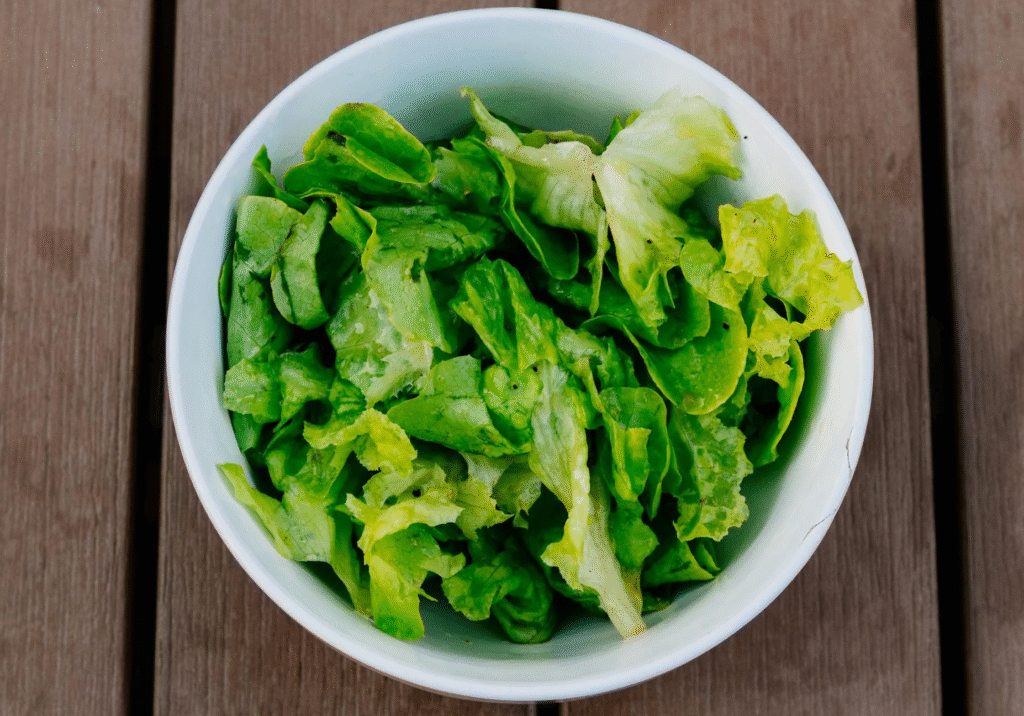
Lettuce
It’s easy and fastest growing crops for hydroponically also good cool temperatures and steady light.pH 5.5–6.5 is ideal and the best temperature range 18–24 °C (65–75 °F). It grows very well with NFT or DWC system. You can harvest eaves after cutting first or wait for fully grow. Keep the water oxygenated and nutrients processed, for this lettuce will increase quickly.
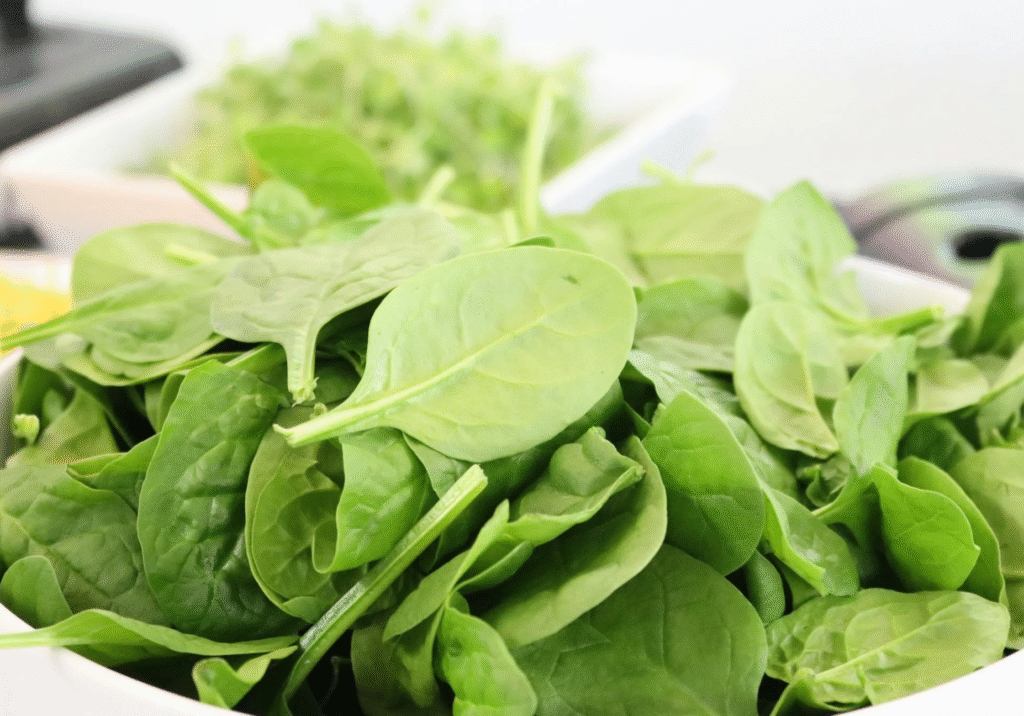
Spinach
Spinach likes slight cold water and light than most of the crops. PH around 6.0–7.0 and temperature between 16–22 °C (60–72 °F) is best for it. The roots grow firstly with NFT systems. If put a little extra iron and calcium help the leaves stay dark and healthy. Harvest fresh leaves for the best flavor.
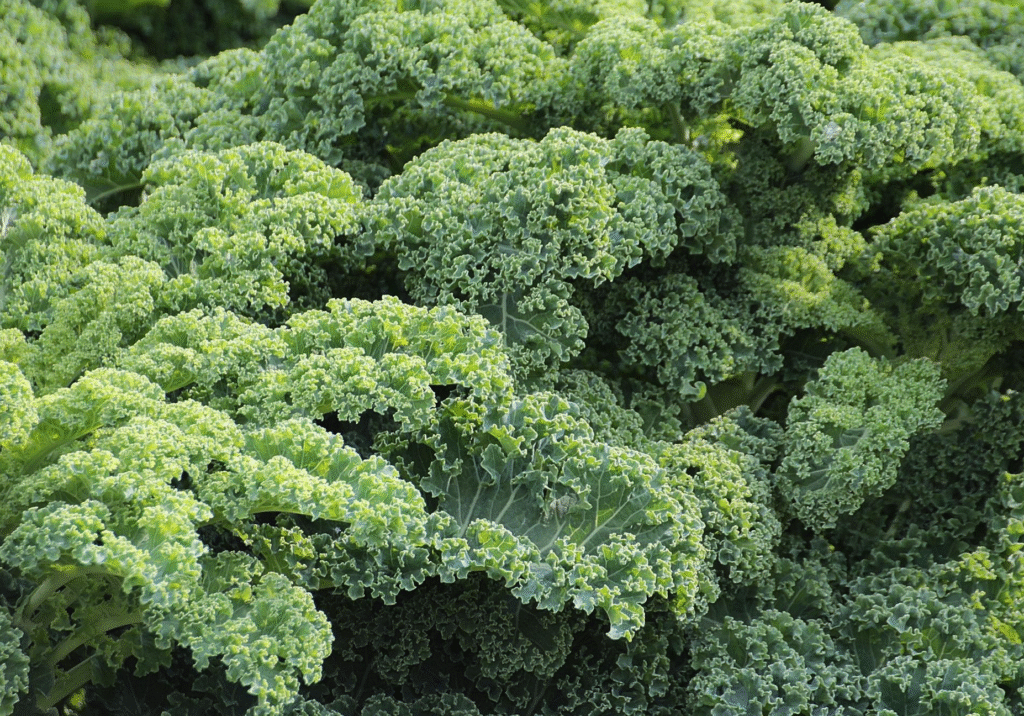
Kale
Kale is a strong crops and grow any types of hydroponic system. It likes pH of 5.5–6.5 and a temperature within 18–26 °C (65–79 °F). Use DWC or ebb and flow systems for best result. Keep light at least 12–14 hours daily. You can pick outer leaves regularly and the plant will keep producing for months.
Herbs
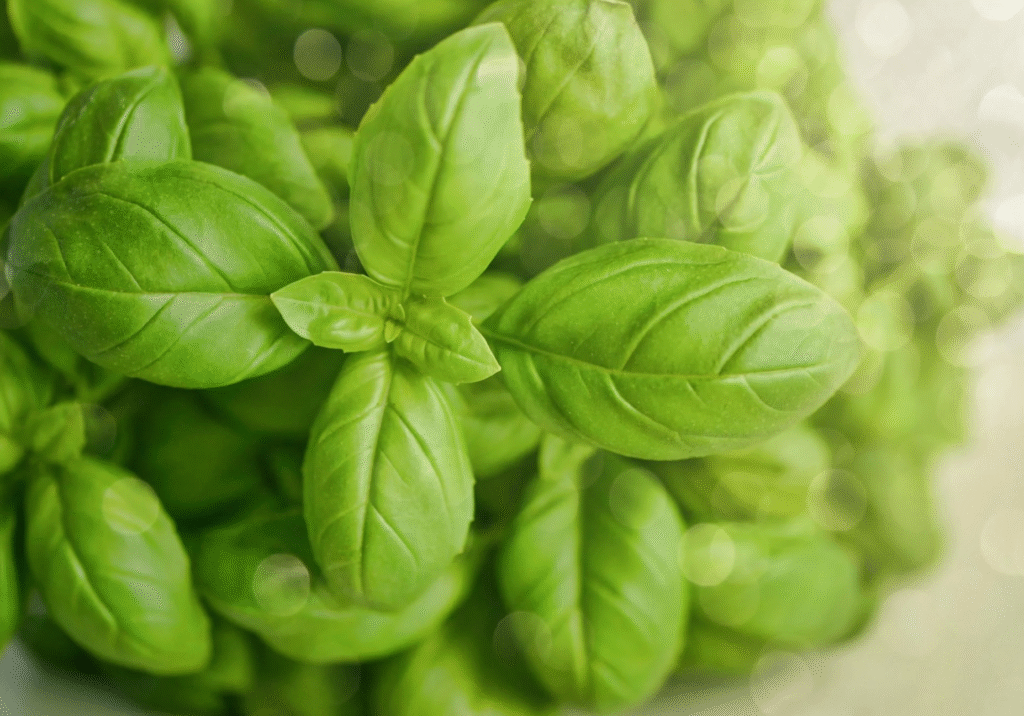
Basil
Basil grow perfectly in warm and bright condition. Retain pH around 5.8–6.2 and temperature between 20–27 °C (68–80 °F). It grows great in DWC, NFT or Kratky systems. Regular trimming makes the tree density and more leafy.
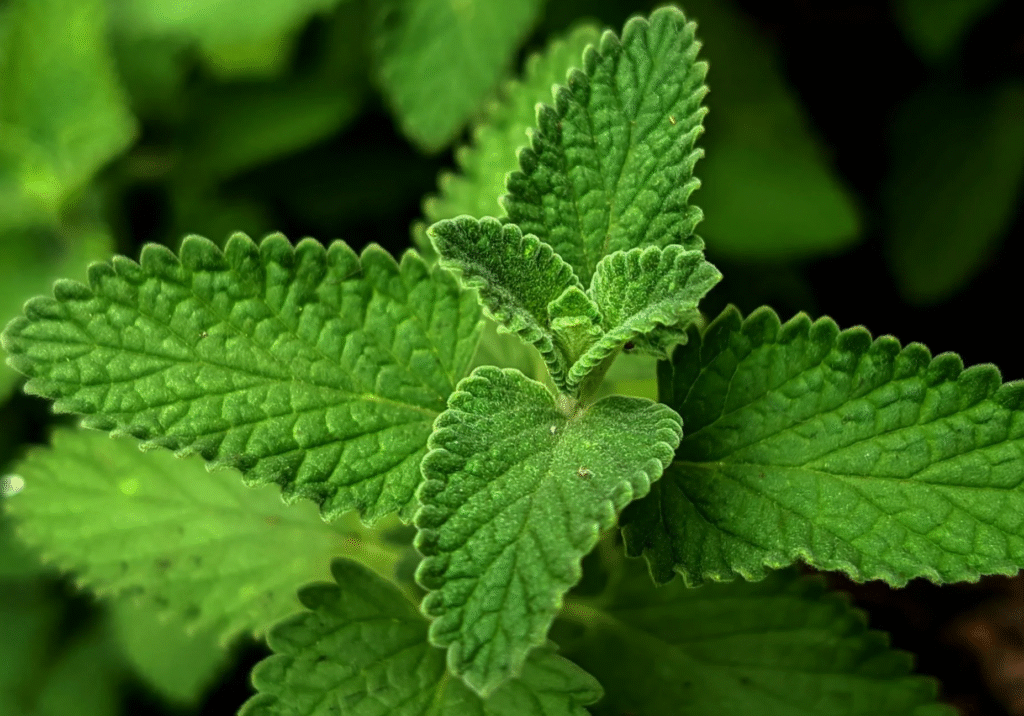
Mint
Mint grows rapidly and easily match to hydroponics. It’s prefer pH of 6.0–7.0 and temperature around 18–24 °C (65–75 °F). Works well in DWC or Ebb systems. Give moderate light and prune regularly otherwise the plant will spread.
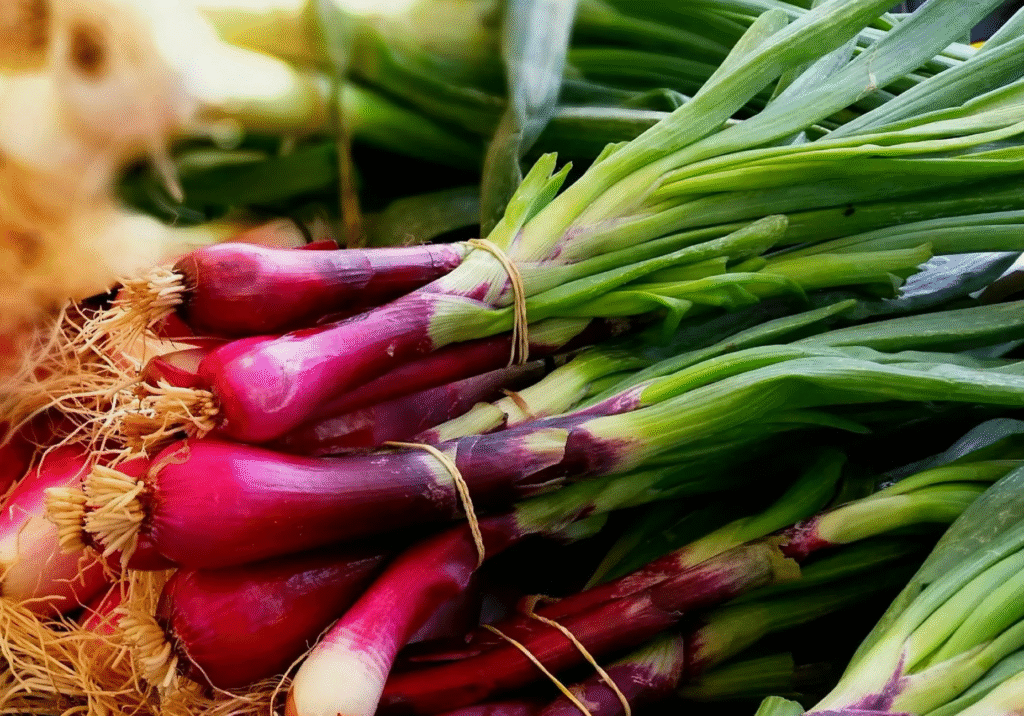
Green Onions
Green onions are simple to grow and perfect for starter. Keep pH around 6.0–6.5 and temperature between 18–24 °C (65–75 °F). it’s best NFT or DWC systems with consistent moisture. Keep regular supply of water and light. If the leaves trim it will grow again.
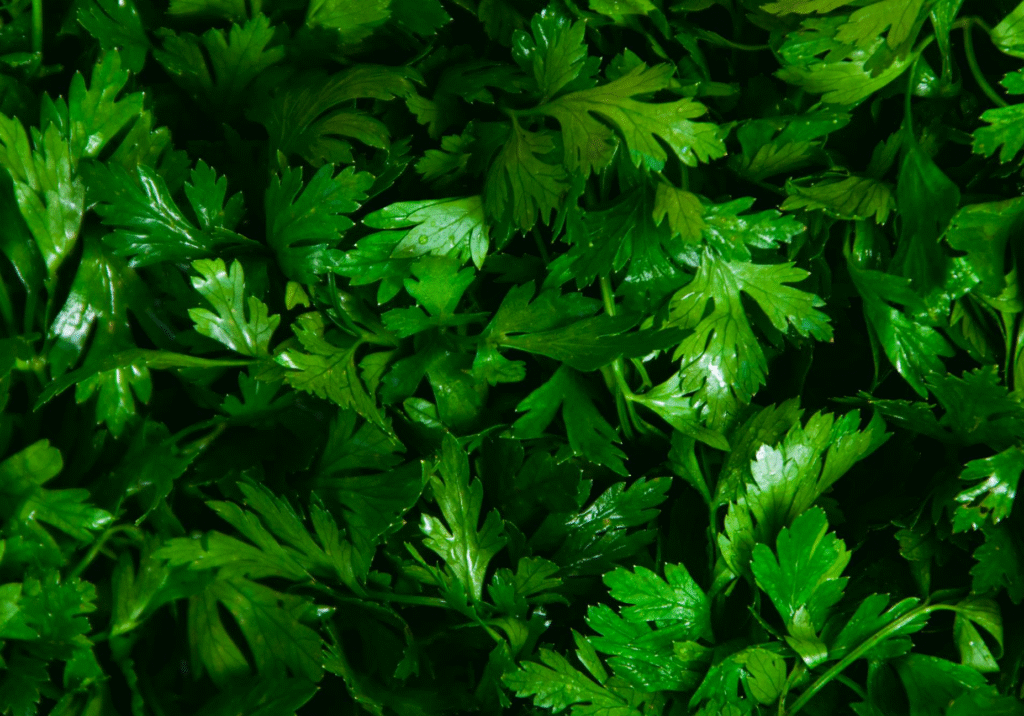
Parsley
Parsley grow slower than other herbs but once stable well in hydroponics it will produce long time. Maintain pH 5.5–6.0 and temperature 18–24 °C (65–75 °F). Works well in NFT or Kratky system. Give it bright light 12–16 hours and steady nutrients.
Vegetables and Fruits
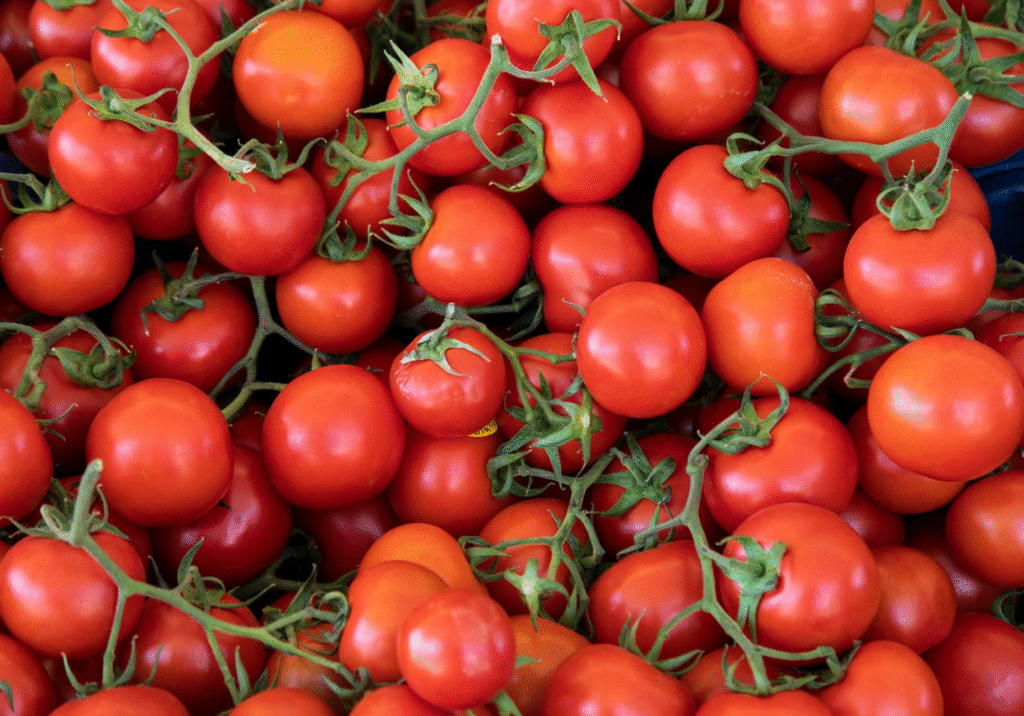
Cherry Tomato
Cherry tomatoes need strong light and steady weather. Good pH 5.8–6.3 and temperature 20–26 °C (68–79 °F). Best systems are drip irrigation or ebb. Calcium, potassium and nutrients are needed. Indoors pollination of flowers by hand increases growth.
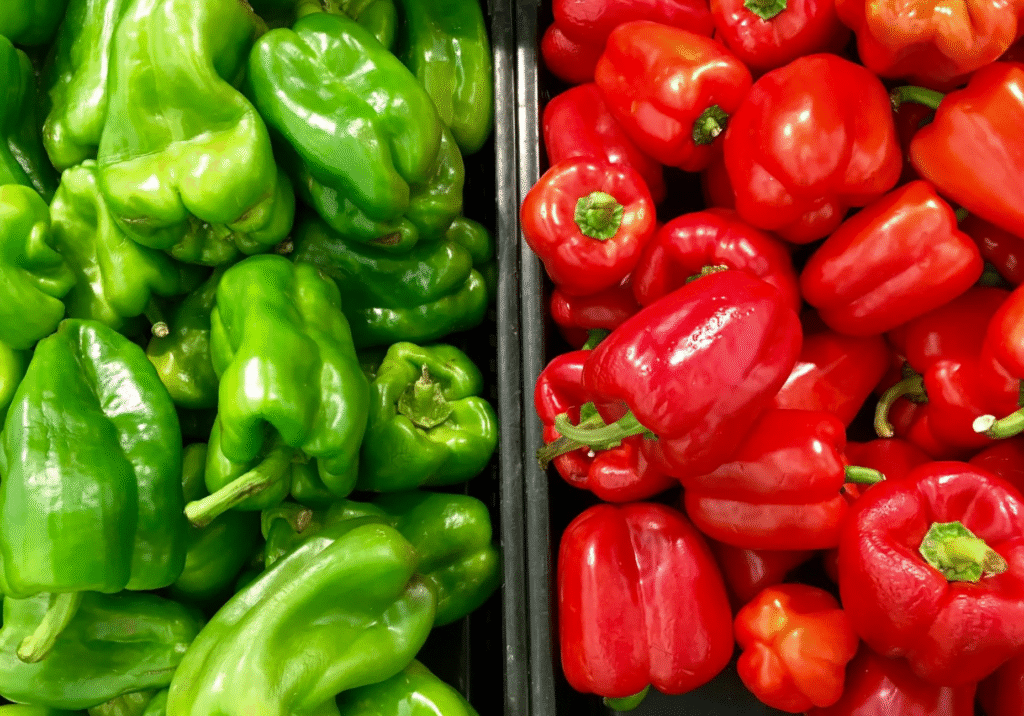
Capsicum
Capsicum need a lot of light and stable warmth to get well result. Keep pH between 5.8–6.3 and temperature around 20–27 °C (68–80 °F). It’s good in drip or ebb systems. Ensure light at least 14–16 hours everyday and avoid overwatering. Small size pepper crops are great for hydro setups.
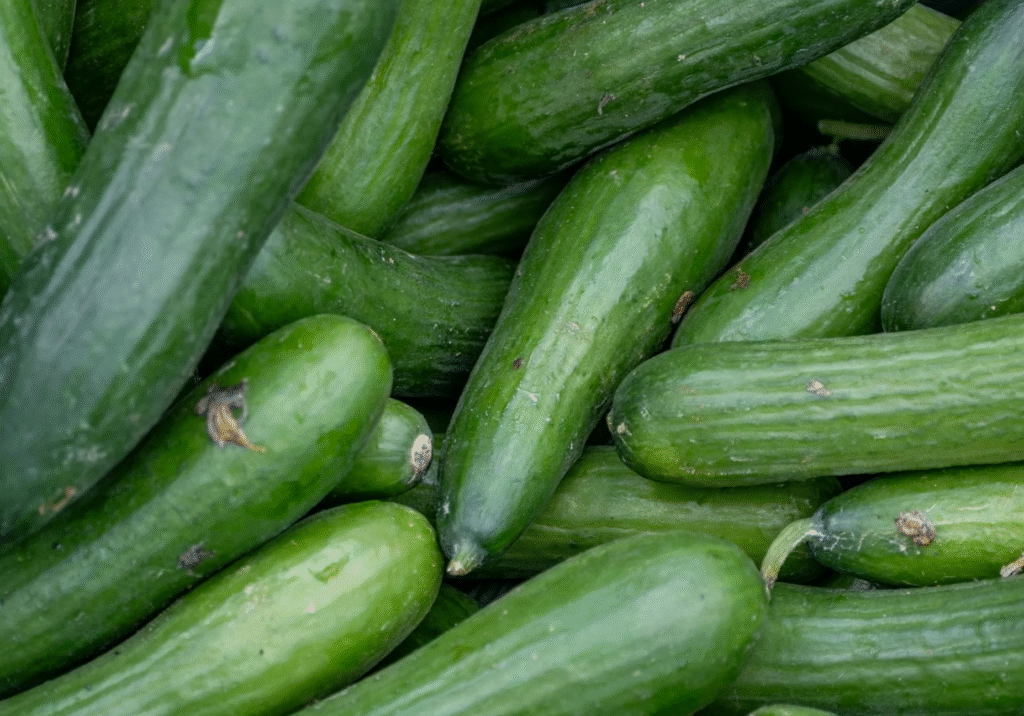
Cucumber
Cucumbers grow firstly but need space and strong support. pH need 5.8–6.0 and temperature 22–26 °C (72–79 °F). Best grow with drip irrigation systems. Use light and make sure the nutrient mix has enough potassium for fruiting. Keep airflow high to avoid mildew.
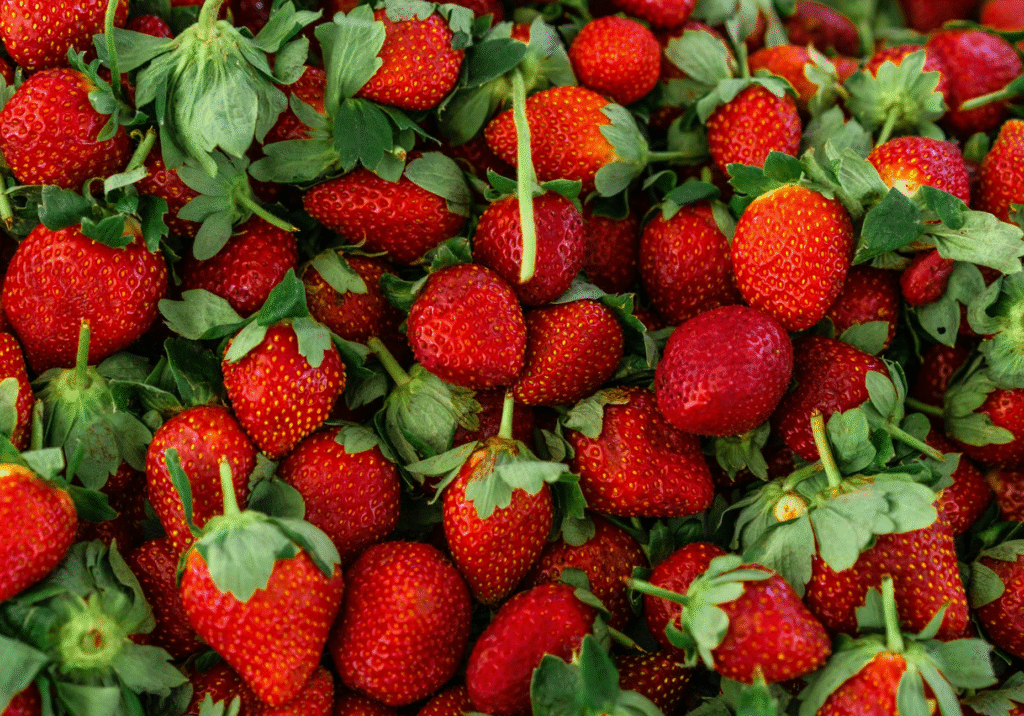
Strawberry
Strawberries are popular but need more care. Keep pH 5.5–6.5 and temperature 18–24 °C (65–75 °F). it’s good In vertical or NFT systems which allow roots to stay moist and well oxygenated. Give enough light and air. Cut the runners to get new fruit and hand pollinate if indoors. These fruits are also great example of what can be successfully grown using hydroponic method.
What should Avoid
Not every types of crop suitable for hydroponic system, especially for beginners who still learning what can be grown hydroponically.
- Root vegetables : For example carrot, potatoes, onion this crop need deep soil and large root space.
- Large or heavy crops : Corn, large squash, trees, which need extensive support, space and almost need soil.
- Simply put: if a plant needs deep soil, lots of support, or takes many months in the ground, you might want to skip it or save it for later.
Generally avoid like this crop now which need deep soil, strong structure and long time to grow. Try it later.
Key Growth Factor and Nutrient, Light, Temperature
For getting good result, you need more than just picking the right crop and system also should monitor key variables.
- pH: pH: It’s 5.5 to 6.5 ph good for most of the crops. Out of this limit plant cannot absorb the necessary nutrients properly. For a deeper scientific explanation of how pH impacts nutrient absorption in hydroponics, see this research review on hydroponic plant growth factors.
- Nutrient strength (EC/TDS): Leafy plants need lower nutrient strength but if want to plant fruit trees you need big space.
- Light: Full-spectrum LED or strong natural light always good. 12-16 hours for greens/herbs and more need for fruiting plants.
- Temperature : For many crops 18-25 °C and 50-70% are enough. Too hot or too humid can trigger bolting or may disease.
- Oxygen and Root health: DWC and NFT with this system you should be ensure roots are getting oxygen (air pumps, shallow water film) so they don’t suffocate. Healthy roots are vital for all crops that can be grown hydroponically.
- Hygiene and observation: regularly check water quality and change solution when need it and Control the growth of algae or harmful microbes.
A Simple Plan
We talked about a plan of hydroponic garden if you want to start you can try.
1. Select small scale system first: For example a DWC bucket (for herbs or lettuce), or a simple NFT channel.
2. firstly start easy crop: Example lettuce or basil. These are ideal beginner choices when deciding what can be grown hydroponically.
3. Set up the system: fill with nutrient solution keep pH 6.0, select light schedule time (12–14 hours for vegetables).
4. Plant seedlings or cuttings: monitor root growth and water, nutrient level.
5. Harvest regularly: clean all the system periodically adjust as needed.
6. Once comfortable: expand to more crop (like cherry tomatoes or mini peppers) and if you like you can do more advanced system.
Starting small that means getting success quickly and confidence will build.
Why it’s growing
Hydroponically farm growing for a few big reason. Understanding what can be grown hydroponically highlight the method of sustainability and efficiency.
- Sustainability: Hydroponics uses significantly less water than traditional soil farming, and can be done in limited space or indoors. Compare to traditional soil farming uses less water and can build it within a small space. You can explore more about the key benefits of hydroponics and vertical farming in this article from Eden Green.
- Food security and fresh produce: If you live in the city so it’s a best way to get fresh vegetables.
- Control: You can control here everything like light, nutrients, water and root environment which means fewer weeds, fewer pests and often faster growth.
So whether if your hobby gardening or looking to start serious indoor hydroponic farm and want to know which trees will grow quickly it’s a important step.
Conclusion
If you are wondering which will be grow hydroponically so start with the proven winners, leafy greens and herbs. This crops grow fast and space efficient. When you’ve got the system to your control then move into fruiting plants like tomatoes, peppers or strawberries. Avoid heavy roots or large scale crops at first. Select the right crop to your system and keep balance pH, nutrients with environment. Over time, you will naturally discover what can be grown hydroponically in your own setup. With experience, you will also learn what grows best hydroponically and which crops suit your space and goals.